How Distance Learning is Changing the Future of Education
The education system is going through a massive transformation, and at the heart of this change lies distance learning. With advancements in technology, students no longer need to be in a physical classroom to access knowledge. Instead, online platforms are providing flexibility, accessibility, and personalized experiences like never before. From school children to working professionals, distance learning has become the bridge that connects people with opportunities. But how exactly is online learning reshaping the future of education? Let’s explore.
1. The Rise of Distance Learning
Over the last decade, distance learning has moved from being an alternative option to a mainstream mode of education. Universities, colleges, and even schools now offer online programs that reach learners worldwide. The rise of platforms such as Coursera, Udemy, and edX shows how education is no longer limited by geography.
During the pandemic, online classes became the norm, proving that distance education is not just a backup plan but an effective, scalable, and sustainable model for the future.
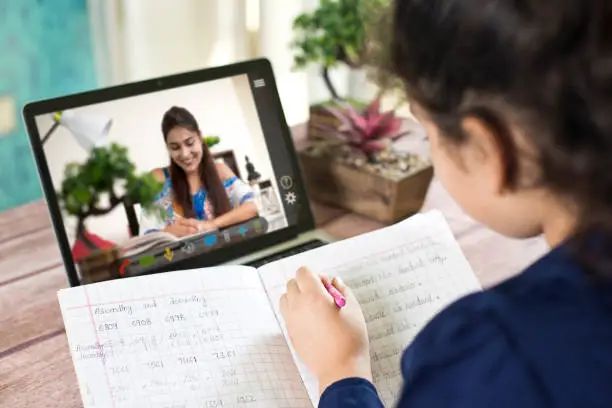
2. Flexibility and Accessibility for All
One of the biggest advantages of distance learning is flexibility. Students can attend classes from anywhere, anytime, without being tied to a strict schedule. This makes it especially useful for:
- Working professionals who want to upskill while managing jobs.
- Parents balancing family responsibilities and career growth.
- Students from rural areas who lack access to quality institutions nearby.
This accessibility ensures that learning is no longer restricted to a privileged few but is open to anyone with an internet connection.
3. Personalized Learning Experiences
Traditional classrooms often follow a one-size-fits-all model. In contrast, distance learning uses technology to adapt to different learning styles. Students can:
- Re-watch lectures until they fully understand the topic.
- Access interactive quizzes, simulations, and gamified content.
- Learn at their own pace without pressure from peers.
This personalized approach not only improves retention but also makes learning more engaging and enjoyable.
4. Cost-Effective Education
Education can be expensive, especially when it involves relocation, travel, and physical resources. Distance learning eliminates many of these costs. Online courses are often more affordable, and students save money on commuting, accommodation, and printed materials.
For institutions, digital platforms reduce infrastructure costs while enabling them to reach a larger audience. This win-win model is driving the global adoption of online learning.
5. Global Networking Opportunities
In traditional classrooms, networking is limited to peers and faculty within the same institution. With distance learning, students can connect with educators, experts, and fellow learners from around the world.
This global exposure not only enriches knowledge but also builds cultural understanding and professional networks, which are essential in today’s interconnected world.
6. Technology Driving Innovation in Learning
Technology is the backbone of distance learning. Tools like AI, VR (Virtual Reality), and AR (Augmented Reality) are transforming the way students engage with content. For example:
- AI-based tutors provide instant feedback.
- Virtual labs allow science students to conduct experiments online.
- Gamification makes learning more interactive and motivating.
These innovations ensure that online education goes beyond simple video lectures and becomes an immersive, practical, and impactful experience.

7. Bridging the Skills Gap
Employers today demand skills that evolve faster than traditional education systems can adapt. Distance learning offers a solution by providing short, skill-based online courses. Whether it’s coding, digital marketing, or data science, learners can quickly upskill or reskill through flexible online programs.
This rapid adaptability is helping bridge the gap between education and employment, making distance learning a powerful tool for career growth.
8. Challenges of Distance Learning
While the benefits are impressive, distance learning also comes with challenges:
- Lack of personal interaction with teachers and peers.
- Dependence on technology, which can exclude learners without stable internet.
- Distractions at home, making self-discipline crucial.
However, with continuous innovation and hybrid models (blending online and offline learning), these challenges are being gradually addressed.
9. The Future of Education: Hybrid Learning
The future is not about replacing classrooms but blending the best of both worlds. Hybrid learning, which combines traditional teaching with distance learning, is becoming the new standard. Students will benefit from face-to-face interaction while enjoying the flexibility and personalization of online platforms.
This balance ensures that education remains accessible, inclusive, and effective in the digital age.
Conclusion
Distance learning has redefined education, making it more flexible, affordable, and globally connected. While challenges exist, technology continues to bridge the gaps, ensuring that online education grows stronger every day. The future of education is digital, inclusive, and driven by innovation.
Whether you’re a student aiming for higher education, a professional looking to upskill, or an institution planning to expand, distance learning is the key to unlocking limitless opportunities in the future of education.